How to Choose the Right Jewelry Manufacturer in India Without Getting Burned
Finding the right jewelry manufacturer can make or break your business. Whether you are a retailer in the US, a brand owner in Europe, or...


Gold jewelry manufacturing is a complex process that combines traditional craftsmanship with modern technology. If you are a brand owner or retailer sourcing gold jewelry, understanding how your pieces are made helps you ask better questions, spot quality issues, and appreciate why certain designs cost more than others.
Here is a look at how 18K gold jewelry goes from raw material to finished product in a professional manufacturing setup.
Every piece starts with a design. In the old days, this meant hand sketches and wax carving. Today, most manufacturers use CAD (Computer-Aided Design) software to create precise 3D models of each piece. This allows for exact measurements, symmetry checks, and easy modifications before any gold is used.
If you are a brand sending your own designs, you can provide CAD files directly. If you have sketches or reference images, a good manufacturer will convert those into CAD for you. At our facility, we have a dedicated design team that works with clients to refine their concepts before production begins.
Once the CAD model is approved, a wax prototype is created using a 3D printer or wax injection machine. This wax model is then used in the lost-wax casting process, which is the most common method for producing gold jewelry.
The wax models are attached to a wax tree, coated in plaster (investment), and heated in a kiln until the wax melts away. Molten 18K gold is then poured into the cavity left behind. After cooling, the plaster is broken away to reveal the raw gold pieces.
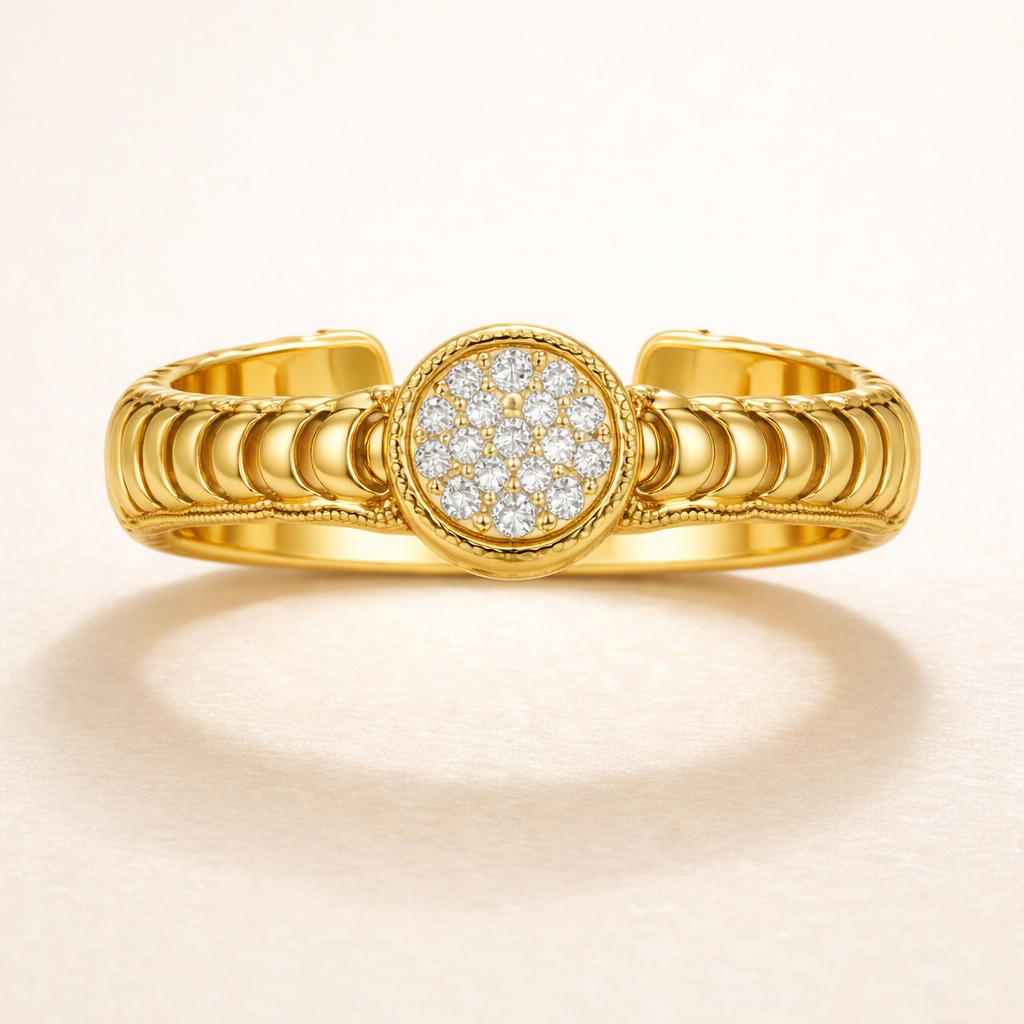
Raw cast pieces are rough and need significant finishing work. Skilled craftsmen file away excess metal, smooth out surfaces, and prepare the piece for stone setting. This stage requires experienced hands because even a small mistake can ruin the piece.
The difference between a cheap manufacturer and a quality one often shows up here. Good finishing takes time and skill. Rushed work results in uneven surfaces, visible tool marks, and pieces that look dull even after polishing.
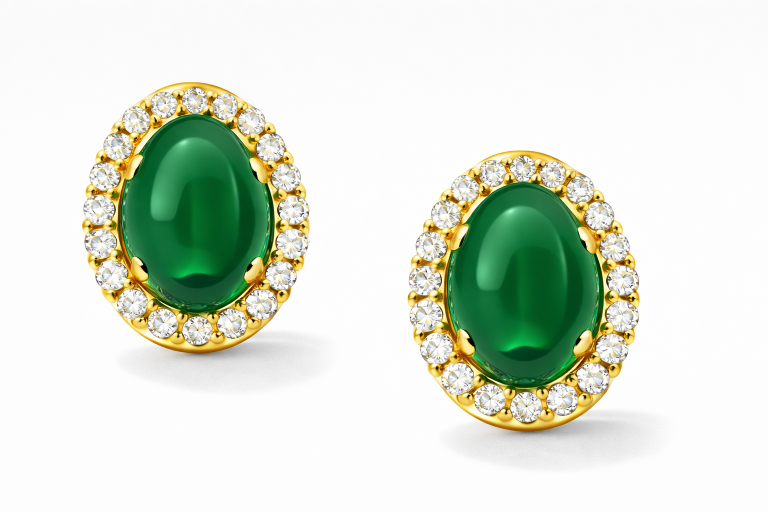
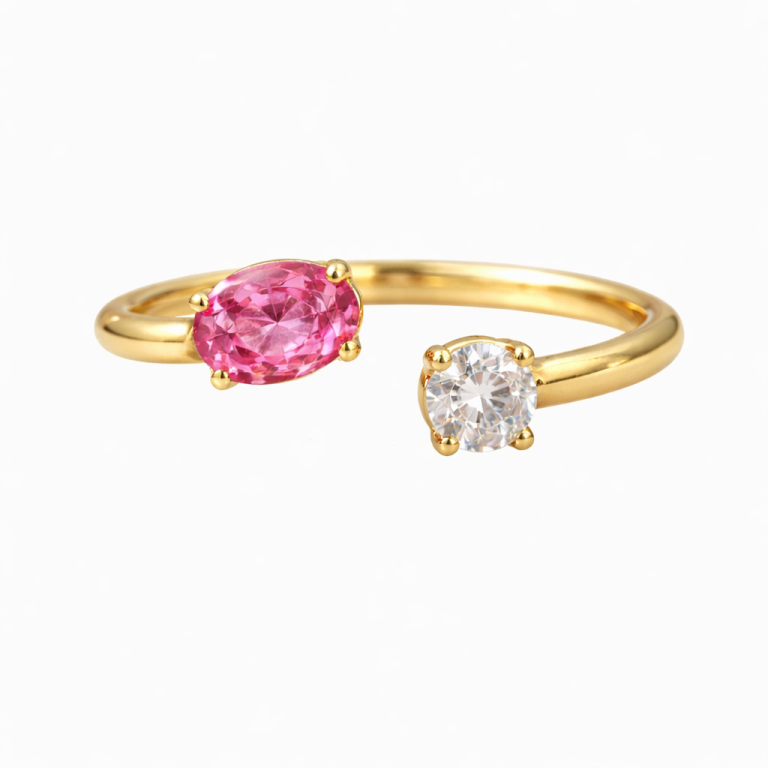
If the design includes diamonds or gemstones, they are set at this stage. Common setting types include prong, bezel, pave, and channel settings. Each requires different tools and techniques. Diamond setting in particular demands precision because the stones need to be secure while allowing maximum light to pass through.
Our stone setters have years of experience working with everything from small melee diamonds to large center stones. We source our diamonds and gemstones from certified suppliers to ensure quality and ethical sourcing.
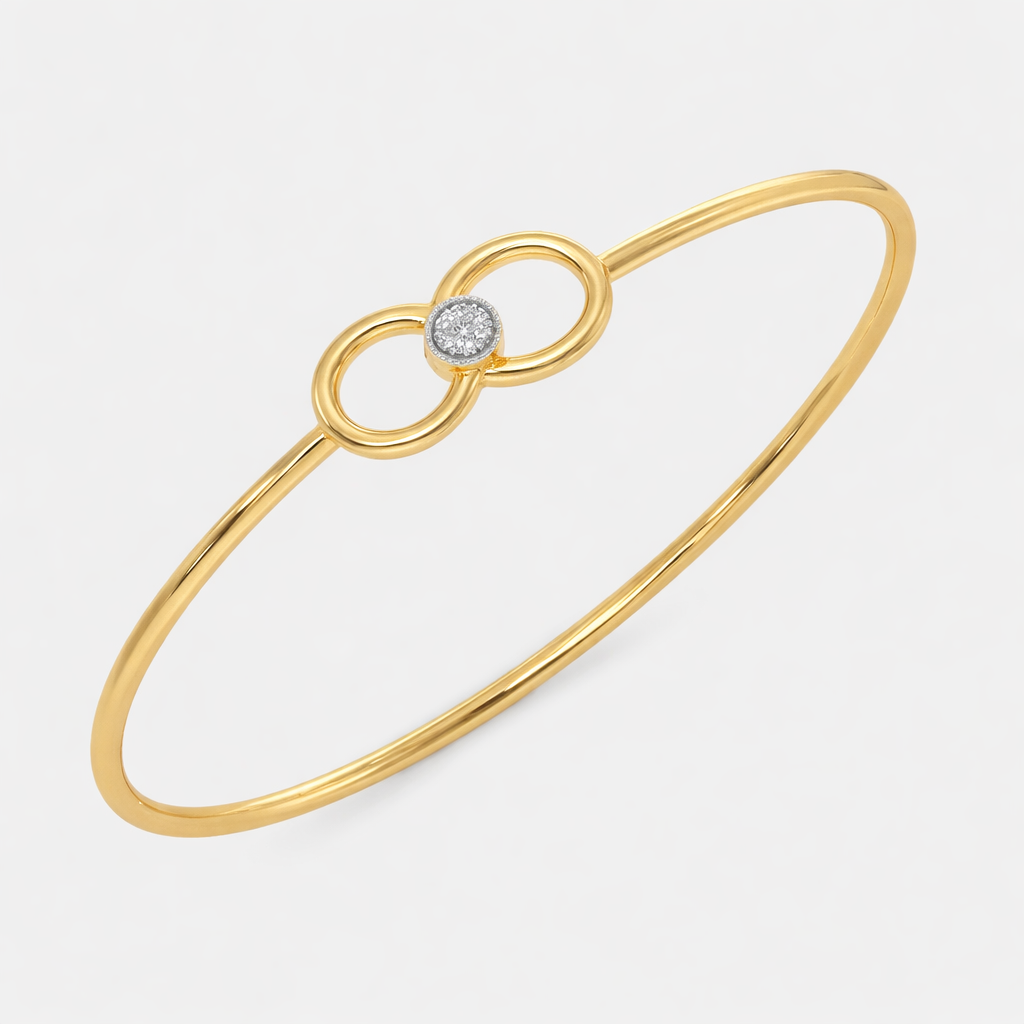
The final stage involves high-speed polishing to bring out the gold shine, followed by ultrasonic cleaning to remove any residue. Each piece then goes through quality control where it is checked for weight accuracy, stone security, surface finish, and overall appearance.
At Pukhraj Gems, every piece is individually inspected before packaging. We maintain strict quality standards because we know our clients are putting their brand name on these products.
18K gold contains 75% pure gold and 25% alloy metals. The alloy composition determines the color:
We manufacture in all three colors and can match specific color references if your brand requires consistency across collections.
Browse our 18K gold jewelry collection to see the range of designs we produce. From diamond bangles to statement rings and gemstone earrings, we cover the full spectrum. Contact us to discuss your gold jewelry manufacturing needs.
 by
by